









When the NHL Draft Lottery balls finally settled, it was the New York Islanders — holders of just a 3.5% chance at the top selection — who walked away with the coveted first-overall pick in the 2025 NHL Draft. The stunning leap from tenth to first instantly flipped the franchise’s trajectory and thrust a new name into the spotlight: Matthew Schaefer, the top-ranked defenceman of his class and widely projected to be the first defenceman selected No. 1 overall since Rasmus Dahlin in 2018.
For a club starved of high-end blueline talent, the timing couldn’t be better. And for Schaefer, the opportunity couldn’t be bigger.
A pick that changes everything
The NHL’s decision to air a live, four-ball drawing only amplified the drama of lottery night. The Islanders’ win sent shockwaves across the hockey world, triggering instant speculation about which prospect could alter the fate of a franchise that has struggled to recapture its dynasty-era dominance.
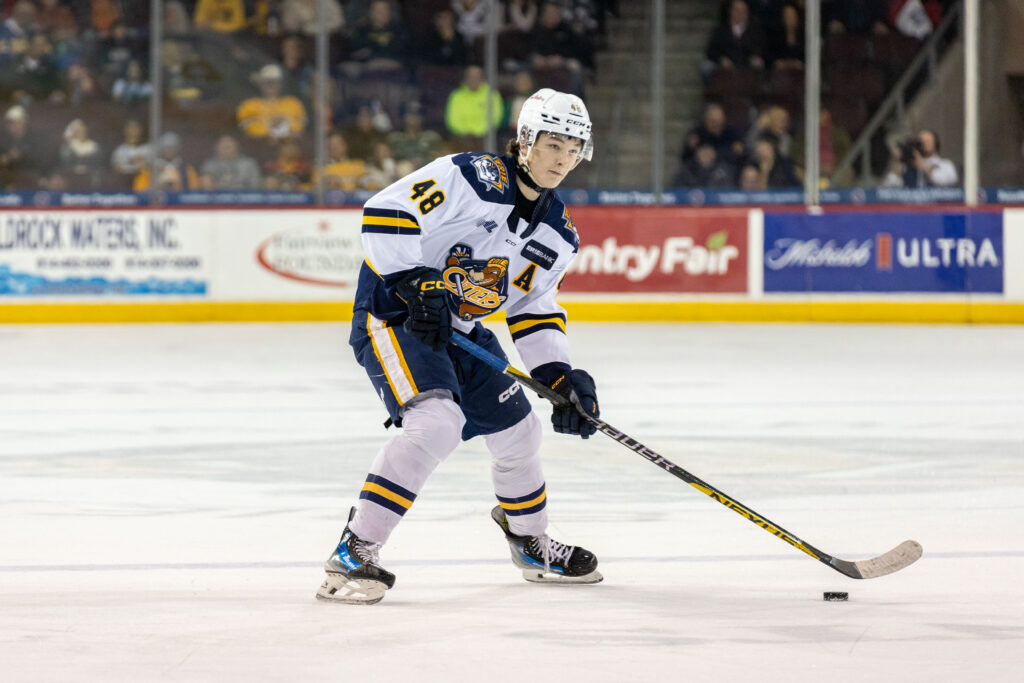
Enter Schaefer, a six-foot-one, left-shot defenceman with elite mobility, composure under pressure, and a knack for driving the play. The 17-year-old from Hamilton, Ontario, has been at the centre of the scouting discourse all season, even while health setbacks — including mononucleosis and a broken clavicle — limited his on-ice action.
Despite the abbreviated season, Schaefer dazzled in appearances at international events like the Hlinka Gretzky Cup, where his skating, defensive reads, and puck transition stood out against the world’s best.
How Schaefer compares to recent No. 1 defencemen
In a league often dominated by forwards at the top of the draft, it’s important to evaluate Schaefer within a peer group of elite defencemen taken at or near the top in recent years. His profile invites comparisons to players like Rasmus Dahlin and Owen Power, both of whom have begun to shape the modern two-way defenceman archetype in the NHL.
Rasmus Dahlin (1st Overall, 2018 – Buffalo Sabres)
When Dahlin entered the 2018 draft, he was lauded as a generational talent on the back end — a smooth-skating Swede with dynamic offensive upside. Scouts at the time praised his vision and creativity, though some raised questions about his defensive zone physicality. Dahlin’s average pre-draft scout ranking was 5.33, slightly below where Schaefer lands now at 4.83.
While Schaefer may not possess Dahlin’s flair, his defensive ceiling is considered higher. He’s also more structured in his game, with less risk in his play — a trait that fits well with today’s NHL emphasis on transition and puck control.
Owen Power (1st Overall, 2021 – Buffalo Sabres)
Power was considered a “safe” pick with immense potential: steady, poised, and strong in all three zones. His 7.00 average scout ranking reflected a more conservative projection, though his development into a top-pairing defenceman has justified the hype. Power’s size and skating were considered his greatest assets — traits also found in Schaefer.
What differentiates Schaefer is a slightly more dynamic skating stride and a better ability to escape pressure with the puck. Power has more offensive polish at this stage, but Schaefer’s north-south explosiveness might give him the edge in pace-driven systems.
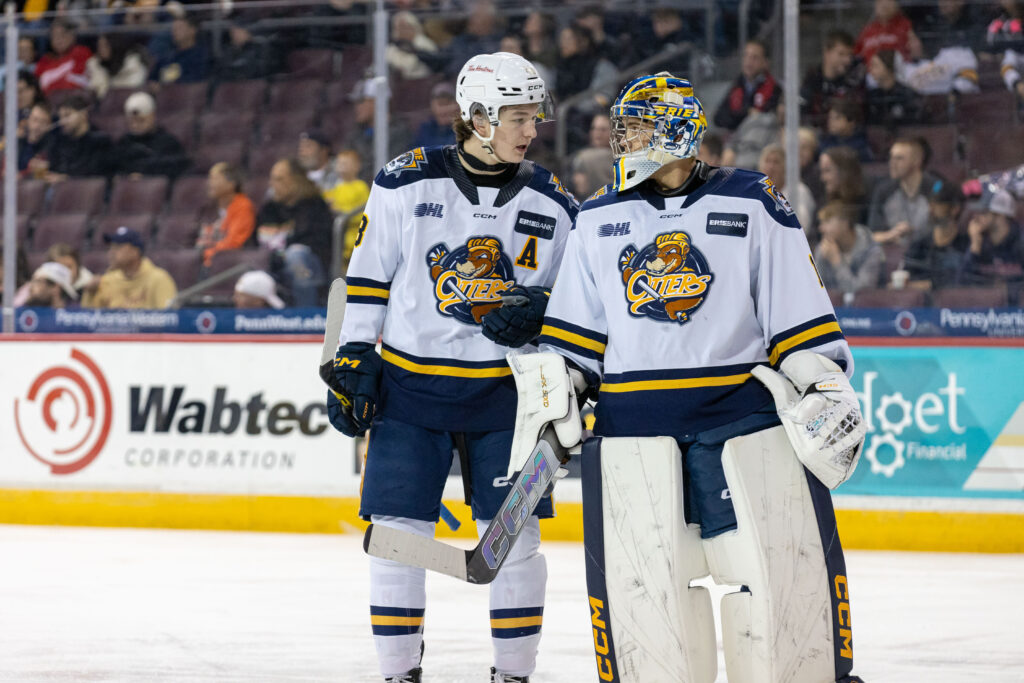
The advanced stats support the belief that Schaefer has the tools to anchor a top pairing in the NHL. Scouts and analysts alike point to his impact on controlled exits, zone entries, and suppression of high-danger chances. His expected goals-for percentage (xGF%) in tournament play ranked near the top for defencemen in his age group, and he posted dominant Corsi (shot attempts while at even strength) and Fenwick (shot attempts at even strength, excluding blocked shots) metrics, signalling a high-impact puck possession game.
For a team like the Islanders, who have struggled to exit their zone cleanly and generate offensive pressure from the back end, Schaefer projects as a transformational presence.
Challenges still ahead
While Schaefer is the consensus No. 1 pick among defencemen, there’s no denying that the lack of a full regular season sample has left some scouts cautious.
Even so, the optimism outweighs the concern. Schaefer’s play at the Hlinka Gretzky Cup and other international events confirmed his ability to rise to the occasion. The limited sample size is balanced by high-stakes performances where he stood tall — something teams value heavily when projecting future NHL success.
New York’s sudden ascension to the top spot changes everything. After years of trying to patch holes on defence with stop-gap veterans, the opportunity to land a potential Norris Trophy-calibre blueliner is a game-changer.
With Noah Dobson entering his prime and Alexander Romanov showing flashes, Schaefer’s arrival could stabilize the top four and give the Islanders a true core to build around. His skating and puck-moving ability could finally breathe life into an offence that’s struggled to generate from the backend.
A draft class full of opportunity… and uncertainty
This year’s draft has shaped up to be one of the more unpredictable in recent memory. With seven teams holding multiple first-round picks, the trade winds are already swirling. The San Jose Sharks, who pick second, are expected to pivot to forwards like Michael Misa, while clubs such as Chicago, Philadelphia, and Montreal — all rich in draft capital — could look to move up or consolidate assets.
Meanwhile, the New York Rangers face a dilemma with their 12th pick: use it now or defer to a potentially deeper 2026 class.
The decentralised nature of this year’s draft, with teams submitting selections from home offices, could open the door for more movement without the theatre of a packed arena. For general managers, it’s a strategic chessboard.
A breakdown of average scout rankings of recent No. 1 picks (among all positions) helps put Schaefer’s status into context:
| Player | Year | Position | Avg. Scout Rank |
| Auston Matthews | 2016 | Centre | 1.67 |
| Macklin Celebrini | 2024 | Centre | 2.83 |
| Connor Bedard | 2023 | Centre | 3.33 |
| Jack Hughes | 2019 | Centre | 4.67 |
| Matthew Schaefer | 2025 | Defence | 4.83 |
| Rasmus Dahlin | 2018 | Defence | 5.33 |
| Owen Power | 2021 | Defence | 7.00 |
While Schaefer doesn’t carry the offensive explosiveness of a Bedard or Hughes, his ranking is more than respectable — particularly when viewed solely among defencemen. His scout composite places him higher than Dahlin and Power, reinforcing the belief that he could be the best defenceman to enter the draft in nearly a decade.
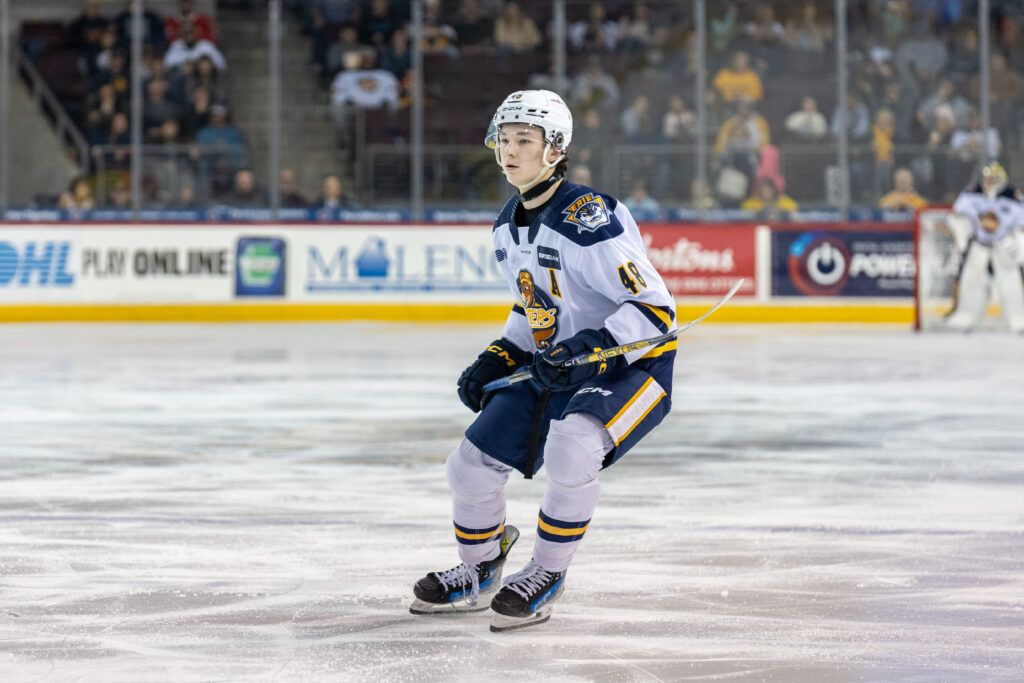
Untapped wrap-up
The Islanders didn’t just win the lottery. They won the right to select a defenceman who could redefine their identity for the next decade. For Matthew Schaefer, the next chapter begins with enormous expectations, but the talent, character, and toolkit are all there.
And if history is any guide, the NHL’s next elite defenceman should be wearing an Islanders jersey very soon.
According to projections and model-based forecasts, Schaefer could finish his rookie campaign with approximately 50 points, split between even strength and power play contributions. His transition metrics — particularly controlled exits and entries — are expected to boost the Islanders’ overall possession numbers.
But more than stats, Schaefer’s long-term ceiling as a franchise cornerstone looms largest. With continued development, health, and the right deployment, he has the potential to be a Norris Trophy finalist within five years.